
Seawall Reinforcement Methods for Long-Term Protection
Learn seawall reinforcement for Fort Lauderdale methods like tiebacks, pilings, retaining walls, and structural support. Protect your property—contact experts today!
SEAWALL INSPECTION
12/4/20254 min read
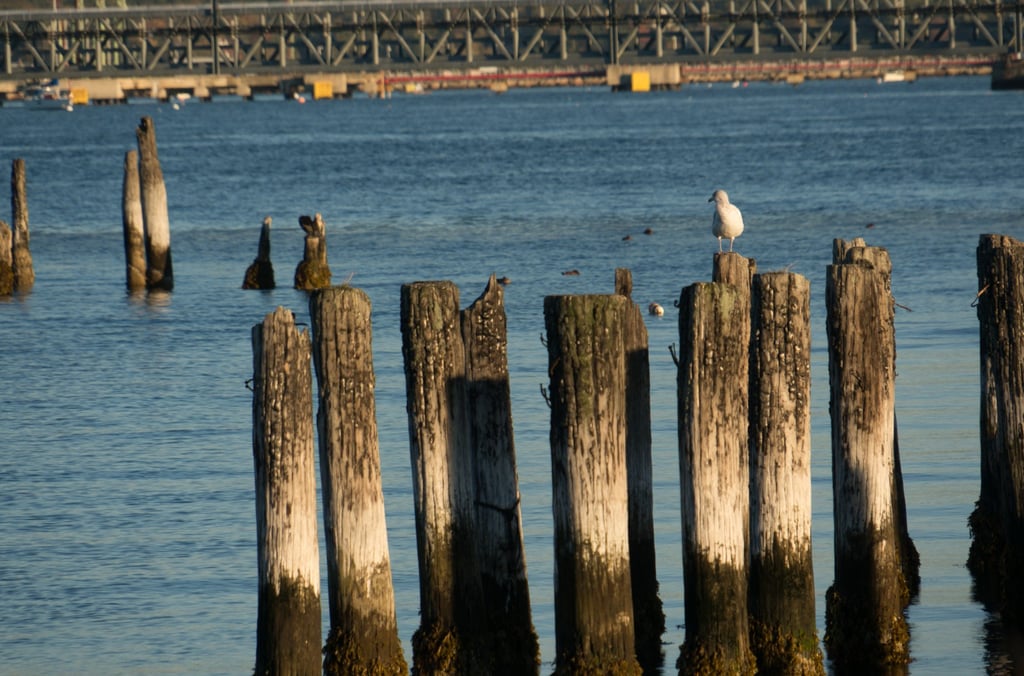
Seawall Inspection
Seawalls protect waterfront properties in Fort Lauderdale, FL from erosion, tides, and storm damage. Over time, however, seawalls can weaken due to water pressure, soil movement, or storm impact. Homeowners and property managers often ask about seawall reinforcement in Fort Lauderdale for methods to strengthen their walls and extend their lifespan.
This guide explores proven techniques, including tiebacks, pilings, retaining walls, and structural support. Whether you are working with seawall builders in Fort Lauderdale, FL, hiring a seawall contractor, or planning seawall construction in FL, USA, these tips will help protect your property for years to come.
What is Seawall Reinforcement?
Seawall reinforcement refers to methods used to strengthen existing seawalls and prevent failure. Over time, seawalls face pressure from water, storms, and erosion. Reinforcement techniques restore stability and extend the life of the structure.
Reinforcement can include adding structural support, installing tiebacks, or using pilings and retaining walls. Reinforcing your seawall reduces the risk of leaning walls, cracks, and costly repairs. Professional seawall builders in FL, USA often combine multiple methods for maximum protection.
Signs Your Seawall Needs Reinforcement
Before reinforcing, it’s important to recognize when your seawall shows signs of stress:
Leaning or tilting walls – indicate soil pressure behind the wall
Cracks or holes – may signal weakening concrete or corrosion
Erosion at the base – exposes the foundation
Water seepage – can reduce the wall’s stability
Rust on reinforcements – expands and damages concrete
If you notice any of these, contact seawall builders in Fort Lauderdale, FL or a certified seawall contractor. Early reinforcement can save thousands in future repairs. For more information about seawall instruction services, you can also visit the website.
Tiebacks: Strengthening from Behind
Tiebacks are metal rods or cables anchored into the soil behind a seawall. They pull the wall backward toward stable ground, counteracting pressure from soil and water.
How Tiebacks Work
Drilled through the wall and anchored into firm soil
Tensioned to stabilize leaning walls
Can be retrofitted into existing seawalls
Tiebacks are commonly used in Fort Lauderdale, FL for erosion prevention. They work well for both concrete and wooden seawalls, providing long-term stability without replacing the entire wall.
Pilings: Deep Foundation Support
Pilings are vertical posts driven deep into the ground to support the seawall. They transfer the load from the wall to firm soil below, preventing sinking or tilting.
Types of Pilings
Concrete pilings – strong and durable for permanent structures
Steel pilings – excellent for heavy walls and high-water pressure
Timber pilings – traditional option for smaller walls
Pilings are effective for areas with soft soil or significant water pressure. Seawall construction FL, USA often includes pilings to reinforce both new and existing walls.
Retaining Walls: Layered Protection
A retaining wall behind your seawall adds extra support by holding back soil and reducing pressure on the main structure.
Benefits
Prevents leaning walls
Reduces erosion
Adds aesthetic appeal
Retaining walls are often combined with structural support and tiebacks to create a strong, reinforced seawall system. Seawall builders in FL, USA recommend them in areas prone to heavy rain or soil movement.
Structural Supports: Internal Wall Strength
Structural support strengthens the wall itself. These may include steel beams, reinforced concrete panels, or bracing systems.
Why They Matter
Improve durability under wave impact
Reduce cracks and wall failure
Extend seawall lifespan
When designing seawall construction, professionals consider structural support alongside tiebacks and pilings for a complete reinforcement plan.
Erosion Prevention Techniques
Preventing erosion is key to long-term seawall protection. Techniques include:
Riprap placement – rocks at the base absorb wave energy
Vegetation – planting grass or shrubs stabilizes soil
Drainage systems – prevent water buildup behind walls
Combining erosion prevention with seawall reinforcement Fort Lauderdale methods ensures your seawall remains stable for decades.
Choosing the Right Seawall Reinforcement Method
Selecting the best method depends on:
Wall material (concrete, timber, steel)
Soil conditions and water pressure
Age and condition of the seawall
Budget and long-term goals
A professional seawall contractor or seawall builder in Fort Lauderdale, FL can perform a site assessment and recommend the best reinforcement solution. Many projects combine tiebacks, pilings, retaining walls, and structural support for optimal safety.
Maintenance After Reinforcement
Even after reinforcement, regular maintenance is crucial:
Inspect for cracks, rust, or leaning walls
Remove debris and vegetation from the wall base
Check drainage systems and tieback tension
Repair minor issues early to prevent major failures
Annual inspections by seawall builders FL, USA help protect your investment.
Conclusion
Proper seawall reinforcement Fort Lauderdale protects your waterfront property from erosion, water pressure, and structural damage. Using tiebacks, pilings, retaining walls, and structural support ensures long-term stability. Schedule a consultation with seawall builders in Fort Lauderdale, FL or a seawall contractor today to secure your property and prevent costly repairs. Don’t wait until small issues become big problems—reinforce your seawall now for peace of mind.
Frequently Asked Questions
1. How do I know if my seawall needs reinforcement?
Signs include leaning walls, cracks, rust, erosion, or water seepage. Early reinforcement prevents collapse and reduces repair costs.
2. What is the most common seawall reinforcement method?
Tiebacks and pilings are widely used in Fort Lauderdale. They stabilize walls, counteract soil pressure, and extend lifespan.
3. Can an existing seawall be reinforced without full replacement?
Yes. Tiebacks, pilings, structural support, and retaining walls can strengthen existing walls without full reconstruction.
4. How long does seawall reinforcement last?
Properly installed reinforcement can last 20–50 years, depending on materials, water conditions, and maintenance.
5. Who should I hire for seawall reinforcement in Fort Lauderdale?
Choose licensed seawall builders in FL, USA or a professional seawall contractor experienced in Fort Lauderdale coastal conditions. They ensure durable, code-compliant reinforcement.
Search
Is your seawall secure?
Don't wait for a small problem to become a disaster. Get a professional evaluation.
© 2026 Seawall Fort Lauderdale. All rights reserved.

