
How to Maintain Your Seawall to Extend Its Lifespan
Learn essential seawall maintenance tips in Fort Lauderdale, from inspections to protective coatings. Contact us at Seawall Fort Lauderdale for expert help today!
SEAWALL INSPECTION
4/25/20266 min read
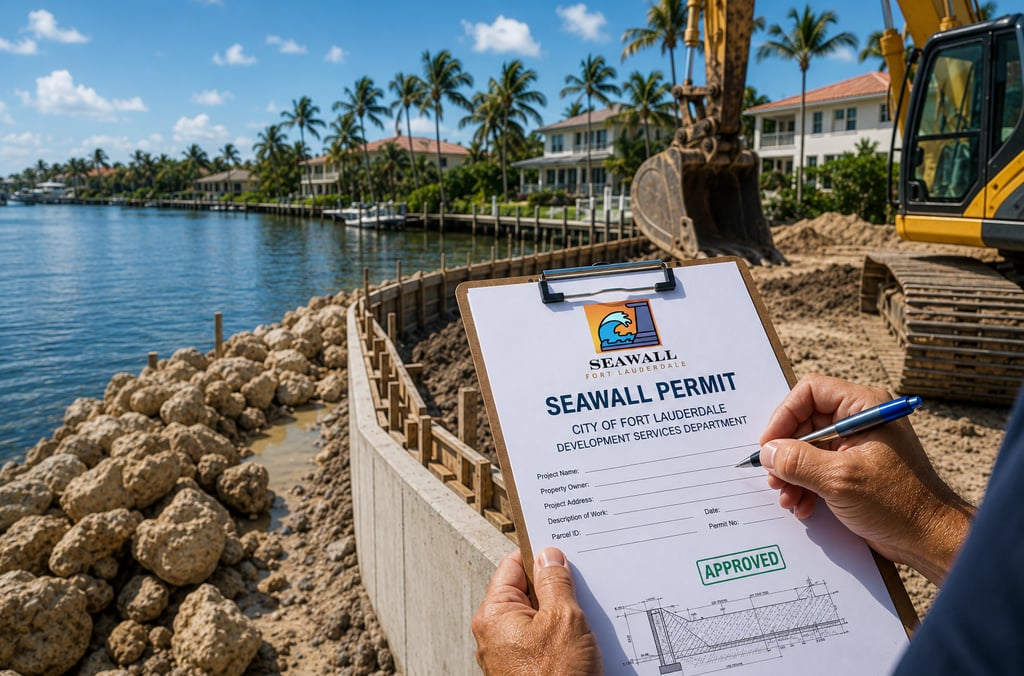
Seawall Inspection
The best way to extend the lifespan of your seawall is through regular inspections, cleaning weep holes, managing vegetation, monitoring backfills, applying protective coatings, and addressing small issues before they become major repairs. Consistent maintenance helps prevent erosion, structural damage, and expensive replacement costs while protecting your waterfront property.
For waterfront homeowners in Fort Lauderdale, a seawall is one of the most important investments protecting the property from erosion, tides, storm surges, and fluctuating water levels. However, even a well-built seawall requires ongoing maintenance to perform effectively over time.
Understanding these seawall maintenance tips for Fort Lauderdale can help reduce repair costs, preserve property value, and maximize the lifespan of your seawall. Whether you handle basic maintenance yourself or hire professionals for inspections and repairs, having a proactive maintenance plan is the key to long-term performance.
Routine Inspections – Catch Problems Early
Regular inspections are the foundation of seawall maintenance. Conducting routine inspections every 3–6 months helps identify cracks, shifting panels, erosion, and water leaks early. Observing the condition of the wall above and below the waterline ensures problems are addressed before they escalate. Documenting changes during each inspection also helps track deterioration patterns and informs professional service decisions. Early detection reduces the need for extensive seawall replacement services.
Visual Inspection Guidelines
Start with a visual check of the seawall for cracks, tilting, or gaps in joints. Look for signs of erosion at the base, exposed reinforcements, or unusual water pooling. Pay attention to backfill settling and plant growth near the wall. Noticing minor issues early allows for timely interventions such as minor patching or weep hole cleaning, preventing long-term damage. Document findings with photos to monitor changes over time.
Weep Hole Cleaning – Ensure Proper Drainage
Weep holes allow water trapped behind a seawall to drain safely, preventing pressure build-ups that can cause cracking or bulging. Over time, sand, debris, and vegetation can clog these holes, reducing their effectiveness. Routine cleaning, at least twice a year or after storms, ensures proper drainage. Ignoring weep hole maintenance can compromise structural integrity and increase the need for Seawall Repairs or even seawall replacement services.
How to Clean Weep Holes Safely
Use a flexible rod or hose to clear debris from each hole, avoiding damage to the wall structure. For stubborn obstructions, professional service vs DIY consultation can determine the safest method. Regular maintenance ensures water behind the wall drains effectively, reducing hydrostatic pressure and prolonging the seawall’s lifespan. Cleaning weep holes during seasonal maintenance periods is particularly effective in Fort Lauderdale’s tidal conditions. For more information about seawall repair services, you can also check out the various online websites.
Vegetation Removal – Prevent Root Damage
Plants growing near or on a seawall can destabilize the structure. Roots can penetrate cracks and accelerate deterioration of concrete or vinyl panels. Vegetation removal is a critical seawall maintenance tip for Fort Lauderdale to reduce pressure on the wall. Small plants and weeds should be removed carefully without harming the surrounding soil or backfill. Maintaining a clear area around the seawall helps prevent costly Seawall Repairs and preserves the integrity of seawall construction services.
Managing Coastal Landscaping
While landscaping enhances aesthetics, it should not interfere with seawall function. Use non-invasive plants at a safe distance and avoid planting trees or large shrubs directly adjacent to the wall. Regular seawall inspection during seasonal maintenance can catch new growth early. Combining vegetation management with other maintenance tasks like backfill checks ensures the seawall remains stable and reduces potential environmental impacts.
Backfill Checks – Monitor Soil Stability
The soil behind a seawall, called a backfill, provides support and prevents wall collapse. Over time, backfills can settle, erode, or wash away, leading to leaning panels or structural weaknesses. Regular backfill checks involve measuring soil levels, looking for voids, and assessing drainage efficiency. Addressing issues early allows for minor additions or compacting without extensive Seawall Repairs. Backfill monitoring is essential to maintain seawall strength and prolong the wall’s overall lifespan.
Correcting Backfill Issues
If soil has eroded or settled unevenly, refill using compatible materials such as clean sand or soil recommended by engineers. Compacting backfill properly ensures even support behind the seawall. Avoid using debris or improper materials that can trap water and increase hydrostatic pressure. Regular backfill monitoring during seasonal maintenance ensures long-term seawall stability and reduces risk of wall tilting or failure.
Protective Coatings – Shield Against Corrosion
Applying protective coatings to seawalls can reduce the impact of saltwater, UV exposure, and algae growth. Concrete walls may benefit from sealants, while vinyl and steel panels can use corrosion-resistant treatments. Protective coatings extend the lifespan of the structure and decrease the frequency of Seawall Repairs. Regular application, typically every 2–3 years, should be part of seasonal maintenance plans. Professional service vs DIY application ensures proper coverage and adherence to manufacturer recommendations.
Choosing the Right Coatings
Select coatings suitable for local conditions, such as high humidity, salt spray, and tidal exposure. Anti-corrosion paint, sealants, or epoxy coatings are common choices. Applying coatings during low tide ensures full coverage and minimizes environmental impact. Professional contractors experienced with seawall construction services can recommend appropriate materials and application techniques, ensure optimal protection and prolong the life of your seawall investment.
Seasonal Maintenance – Preparing for Storms
Fort Lauderdale is subject to hurricanes, heavy rainfall, and tidal fluctuations. Seasonal maintenance, typically before and after storm seasons, includes inspections, weep hole cleaning, vegetation removal, backfill checks, and coating touch-ups. This proactive approach prevents storm damage from escalating into costly repairs. Seasonal maintenance aligns with seawall maintenance tips for Fort Lauderdale best practices, helping homeowners maintain safety, structural integrity, and property value year-round.
Post-Storm Assessment
After storms or high tides, inspect displaced panels, eroded backfills, or clogged weep holes. Prompt repairs reduce further damage and ensure seawalls continue to function effectively. Documenting changes and noting areas of concern during post-storm assessments is critical for long-term maintenance planning. Combining post-storm checks with seasonal maintenance helps prevent minor issues from becoming major structural failures.
Professional Service vs DIY – Choosing the Right Approach
Deciding between professional service vs DIY depends on the complexity of maintenance, wall material, and available expertise. Small tasks like weep hole cleaning and vegetation removal may be safely handled by homeowners, while structural inspections, protective coating applications, or major backfill adjustments benefit from professional service. Licensed contractors provide expertise, proper tools, and compliance guidance, minimizing risk and ensuring seawall replacement services or Seawall Repairs are conducted effectively.
Benefits of Professional Services
Professional contractors offer accurate assessments, safety protocols, and long-term solutions. They can identify early signs of wall degradation that might go unnoticed and provide cost-effective repair strategies. Using professional seawall construction services ensures compliance with local codes and reduces liability. Partnering with experts allows homeowners to maintain the seawall efficiently while minimizing the risk of premature deterioration or structural failure.
Common Warning Signs of Seawall Damage
Recognizing early warning signs helps prevent costly repairs. Common indicators include leaning or bulging walls, cracks, water seepage behind the wall, eroded backfill, and algae or plant encroachment. Regular monitoring and quick intervention, including minor Seawall Repairs, keep issues manageable. Homeowners who observe these signs and act promptly can extend the lifespan of their seawalls significantly, protecting both property and waterfront investments.
Emergency Repairs
If significant cracks or leaning are observed, contact professional seawall services immediately. Emergency Seawall Repairs can stabilize the wall and prevent catastrophic failure. Temporary measures, like sandbagging or shoring, may be implemented while awaiting permanent repair. Being proactive during critical issues reduces costs and ensures safety. Timely intervention is one of the most important seawall maintenance tips Fort Lauderdale homeowners should follow.
Conclusion — Protect Your Waterfront Investment
Proper seawall maintenance is essential to extend the life of your Fort Lauderdale waterfront property. By following seawall maintenance tips Fort Lauderdale, including routine inspections, weep hole cleaning, vegetation removal, backfill checks, protective coatings, and seasonal maintenance, homeowners can prevent structural failures and reduce repair costs. Deciding between professional service vs DIY approaches allows property owners to balance cost savings with expertise.
Neglecting maintenance can lead to expensive Seawall Repairs or full seawall replacement services, while consistent care protects both property and environment. Contact us Seawall Fort Lauderdale for expert guidance, professional maintenance, and long-lasting seawall solutions. Acting proactively ensures your seawall remains strong, functional, and resilient against erosion, storms, and natural wear. Secure your waterfront property today and enjoy peace of mind knowing your investment is protected for years to come.
FAQs
1. How often should I perform seawall inspections?
Routine inspections every 3–6 months help identify cracks, erosion, and other potential issues early.
2. Can I clean weep holes myself?
Yes, minor cleaning is possible, but professional service is recommended for stubborn clogs or structural concerns.
3. How do I manage vegetation near my seawall?
Remove small plants and weeds regularly and avoid planting large trees near the wall to prevent root damage.
4. Should I use professional contractors or DIY for maintenance?
Small tasks can be DIY, but structural checks, coatings, and major repairs benefit from professional expertise.
5. What are the signs that my seawall needs urgent repairs?
Leaned or bulging walls, deep cracks, erosion, and water seepage indicate immediate attention is required.
Search
Is your seawall secure?
Don't wait for a small problem to become a disaster. Get a professional evaluation.
© 2026 Seawall Fort Lauderdale. All rights reserved.

