
Preventing Erosion During Seawall Construction
Learn how to prevent erosion during seawall construction with effective design, drainage, and vegetation strategies. Protect your land—contact experts now.
SEAWALL INSPECTION
3/17/20266 min read
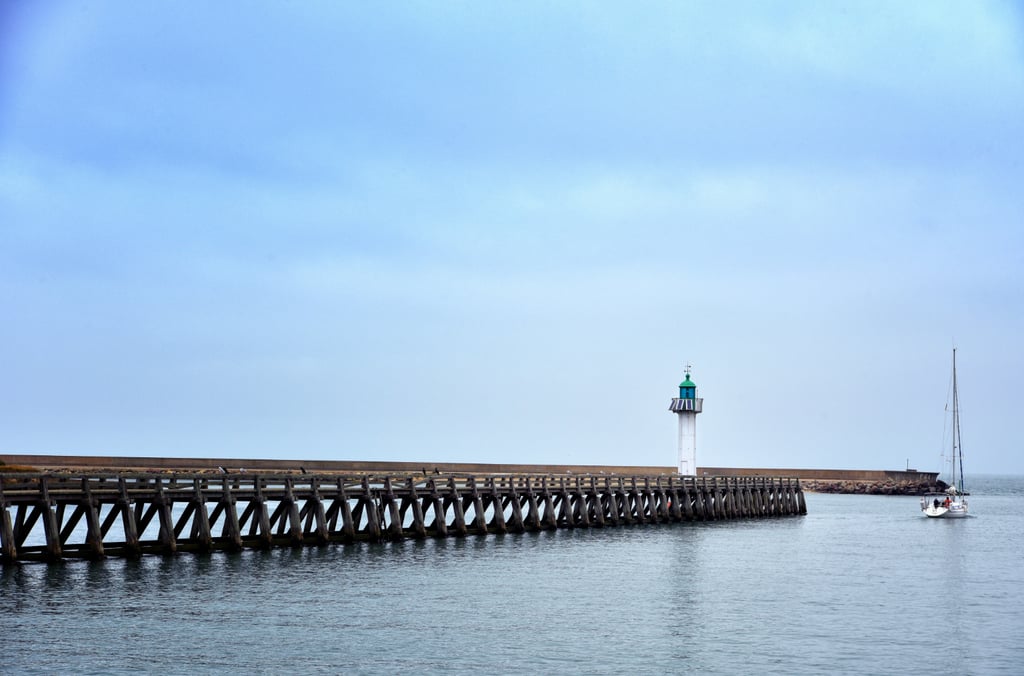
Seawall Inspection
Constructing a seawall is one of the most effective ways to protect coastal properties and shorelines from erosion, flooding, and storm surge forces. But building a durable seawall requires more than just installing a wall. Proper planning, soil stabilization, drainage solutions, and smart design choices are essential to ensure long‑term performance and erosion control.
In Fort Lauderdale, coastal conditions such as shifting tides, frequent rain, and storm surges make seawall erosion control Fort Lauderdale a top priority for homeowners, developers, and seawall construction professionals. To protect land and assets during and after construction, a combination of engineering practices and natural support methods is needed.
Understanding Coastal Erosion and Its Risks
Coastal erosion refers to the gradual wearing a way of land by wave action, tidal currents, and storms. Without proper protection, waterfront properties can lose soil, landscaping, and foundation support. Erosion not only undermines seawall stability but can also damage outdoor structures and plant life over time.
In extreme weather events such as hurricanes and tropical storms, wave energy increases dramatically, pushing water against shorelines with tremendous force. Installing a seawall without addressing underlying erosion risks can lead to failure behind the wall due to soil washout and water pressure buildup. For effective erosion control, both surface and subsurface conditions must be considered.
The Importance of Thoughtful Seawall Design
Seawall design should be tailored to the local shoreline, water depth, soil type, and wave energy expected in the Fort Lauderdale area. The design determines how well the wall will withstand pressures and prevent soil displacement. A well‑designed seawall incorporates proper elevation, reinforcement, and anchoring to keep soil intact.
Engineers often recommend deeper pilings or anchored panels to support vertical loads and resist wind and wave forces. Thoughtful design minimizes lateral pressure on the wall and reduces the risk of soil washing out from behind. When done correctly, seawall design supports long‑term erosion control and prevents costly repair later.
Managing Backfill for Soil Stability
One of the core elements of preventing erosion during construction is managing the backfill material behind the seawall. Backfill refers to the soil or material placed between the wall and the inland property to create a stable base. If backfill is poorly graded, too sandy, or inadequately compacted, water can find pathways to wash soil out through cracks or drainage openings.
Proper backfill involves compacted soil that resists erosion when water pressure builds up. Adding gravel and filter fabric layers can enhance drainage while holding soil in place. Using the right type of backfill material and compacting it correctly helps maintain stable ground behind the seawall even when exposed to tide fluctuations and storm events.
Effective Drainage Solutions to Prevent Washout
Water buildup behind a seawall can create hydrostatic pressure—when water pushes outward against the wall and backfill soil. If this pressure is not relieved, it can squeeze soil out through weak points and cause erosion behind the wall. To prevent this, seawall construction must include effective drainage.
Drainage solutions often include weep holes, gravel layers, drainage panels, and jet filters that allow water to escape while preventing soil loss. These features let groundwater move away from the wall without carrying soil with it. Good drainage design reduces internal pressure, stabilizes the soil, and increases the overall lifespan of the seawall.
Harnessing Vegetation to Strengthen Soil
Vegetation plays a valuable role in preventing erosion when combined with engineered seawall systems. Plants with deep roots help bind soil together, reducing its movement and loss when water flows through or around the seawall. Natural vegetation that is appropriate for coastal environments can provide additional resistance to erosion, especially on slopes or exposed banks.
Research shows that vegetation can reduce the force of wave impacts and improve soil stability by enhancing the factor of safety against sliding and overturning mechanisms. While plants alone cannot replace a seawall, their presence along the shoreline and behind the structure can significantly increase long‑term erosion control when used alongside engineered solutions.
Choosing the Right Materials for Long‑Term Protection
Selecting durable materials for the seawall is critical for erosion prevention. Concrete, steel‑reinforced composites, and vinyl are common options for seawall structures. Each has advantages depending on site conditions. Concrete offers strength in high wave energy zones, while vinyl may be suitable in softer soil conditions. The material chosen affects how the seawall interacts with soil, water, and backing systems.
Durable materials help maintain shape and integrity during storms and high tides. Combining strong structural materials with proper drainage and backfill significantly minimizes the risk of soil displacement and preserves property behind the wall.
Role of Professional Construction Services
Working with experienced professionals ensures that erosion control measures are correctly implemented throughout the construction process. Hiring reputable Seawall Contractors in Fort Lauderdale, FL brings expertise in local coastal conditions, soil behaviour, and required engineering standards. Contractors guide planning, design, excavation, and installation steps with best practices in mind.
Professional services often include site evaluation, design recommendations, soil analysis, and proper equipment use. These measures prevent common problems such as backfill loss, improperly installed drainage, or weak foundational support. Investing in quality construction upfront reduces the need for frequent Seawall repair and maintenance services later.
Regular Inspection During and After Construction
Even the best built seawall can develop issues if erosion begins to weaken the soil or drainage systems fail. A thorough Seawall Inspection both during and after construction helps identify early signs of trouble before they escalate. Inspecting the wall includes checking for cracks, shifting panels, soil loss behind the wall, blocked drainage, and any tilt or lean in the structure.
Routine seawall inspections allow property owners to catch minor issues before they become costly repairs. Periodic checks after heavy rainfall or storms are also recommended because intense water events can reveal hidden problems in drainage or backfill conditions.
Monitoring and Maintaining Drainage Features
Drainage systems are only as good as their upkeep. Debris, plant overgrowth, and sediment buildup can block weep holes or filters, restricting water flow and leading to pressure buildup behind the seawall. Regular cleaning and monitoring of drains ensure that water flows freely and does not carry soil out with it.
Simple maintenance tasks include clearing drainage outlets, flushing filter layers, and checking that pathways for water release are open. Keeping drains in optimal condition prevents internal erosion and protects the structural integrity of the seawall over time.
Vegetation Zones and Erosion Resistance
Creating vegetation zones behind the seawall can further reduce erosion risk. Tall grasses, shrubs, and native coastal plant species act as a buffer that absorbs some of the energy from surface water flow. Vegetation also helps trap small soil particles, slowing down their movement out of backfill areas.
When chosen carefully, plants can complement engineered systems by providing a soft defense layer that stabilizes soil, improves landscape aesthetics, and supports habitat function. These natural additions are a useful part of storm protection strategies that work with the seawall rather than against nature.
Managing Stormwater and Surface Runoff
Surface runoff from rain, patios, and paved areas can add water pressure behind a seawall if it is not directed away properly. Planning for good storm protection means evaluating how water moves across the property and installing gutters, swales, or drain trenches that carry water away from the backfill zone.
Controlling surface runoff minimizes the amount of water that needs to move through drainage systems, reducing the risk of soil displacement. Smart landscaping and surface grading also support erosion control efforts by slowing the flow of water toward vulnerable edges near the seawall.
Long‑Term Erosion Prevention Through Design Evolution
Seawall design is not static; it evolves to address new challenges such as rising sea levels, stronger storms, and shifting coastal profiles. Modern seawall construction techniques take these factors into account and incorporate improved engineering solutions to enhance long‑term performance.
Innovations such as reinforced tie‑backs, advanced drainage systems, and hybrid materials create seawalls that adapt better to stressors over time. Considering future conditions when planning seawall construction can save money and reduce erosion risks for decades.
Natural and Engineered Hybrid Approaches
Combining engineered solutions with natural erosion control methods creates hybrid systems that offer enhanced protection. Using bioengineering techniques like living shorelines, vegetated buffers, and sediment traps in combination with a seawall can reduce wave force and provide multiple layers of defence.
Hybrid approaches work with natural processes rather than relying solely on hardened structures. They promote soil stability, improve resilience during storms, and help maintain the aesthetic and ecological value of coastal landscapes.
Conclusion
Preventing erosion during seawall construction requires careful planning, proper material selection, smart drainage, and effective soil stabilization. By focusing on solid seawall design, controlling backfill, installing good drainage, and adding vegetation, property owners in Fort Lauderdale can build stronger, longer‑lasting shoreline protection. Regular seawall inspections and proper maintenance help ensure erosion risks are caught early and addressed before they become costly problems. If you are ready to protect your waterfront investment and ensure long‑term seawall performance, contact seawall experienced professionals for tailored erosion control solutions today.
FAQs
What is seawall erosion control and why is it important?
Seawall erosion control involves design, drainage, and soil stabilization strategies that keep soil from washing out during construction and after. It protects property and prevents costly damage.
How does backfill affect seawall performance?
Backfill provides the structural support behind the wall. Properly compacted and graded backfill resists water movement that can erode soil, making the seawall more stable and effective.
Are natural methods like vegetation effective for erosion prevention?
Yes. Vegetation strengthens soil, reduces surface water flow, and helps trap sediment, which complements engineered systems and improves long‑term shoreline stability.
How often should drainage be inspected?
Drainage should be checked before and after storms, and as part of regular maintenance to ensure water flows freely without carrying soil with it.
Will a seawall design protect against major storms?
Properly designed seawalls that include storm protection measures such as drainage, vegetation support, and strong foundations can significantly reduce erosion and flood risk during storms.
Search
Is your seawall secure?
Don't wait for a small problem to become a disaster. Get a professional evaluation.
© 2026 Seawall Fort Lauderdale. All rights reserved.

