
Choose the Right Seawall Material for Your Coastal Property
Learn about best seawall materials in Fort Lauderdale including concrete, vinyl, steel, and timber. Get tips on durability, construction, and contractor services.
SEAWALL INSPECTION
2/28/20267 min read
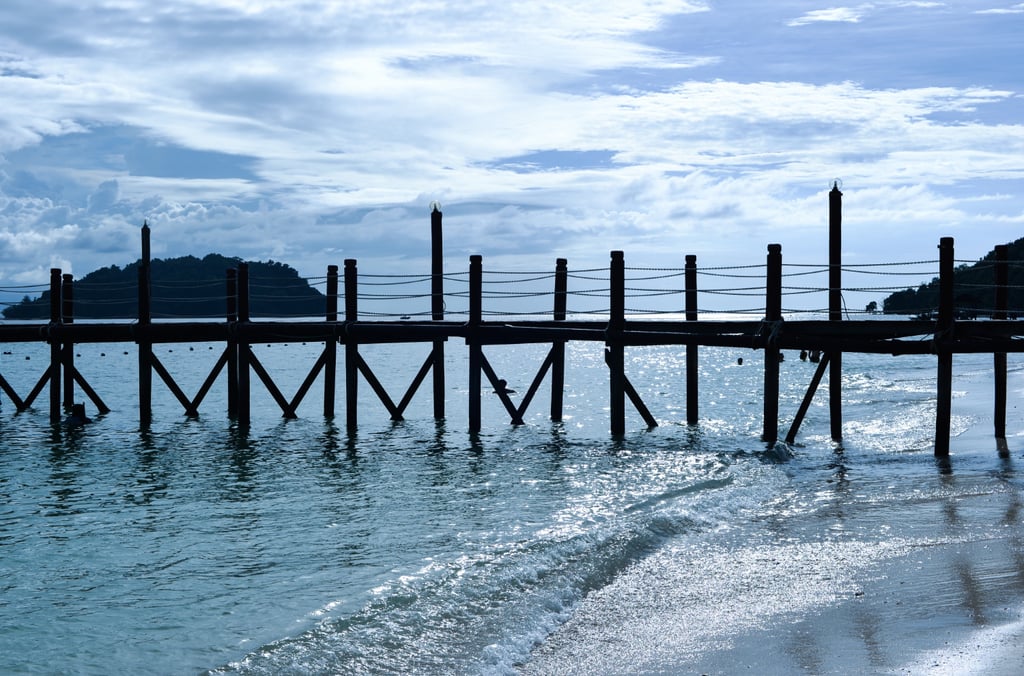
Seawall Inspection
Selecting the best seawall materials in Fort Lauderdale is one of the most important decisions a waterfront property owner will make. A seawall protects your shoreline from erosion, tidal surge, and wave action, and the material you choose affects how well your investment performs over time. With options like concrete, vinyl, steel, and timber available, understanding the benefits and limitations of each helps you plan for durability, cost, and long‑term performance.
Whether you are just beginning seawall construction planning or considering upgrades with professional seawall builders , this guide will help you choose the right solution for your shoreline protection needs. this comprehensive guide gives you the confidence to make the right choice for your shoreline protection needs.
The Importance of Choosing the Right Material
The material you select for your seawall affects more than just appearance. It determines how well your seawall withstands environmental stress, how long it lasts, and how much maintenance it will require. Fort Lauderdale’s coastal conditions — including saltwater exposure, tidal changes, and occasional storms — place significant demands on seawall structures. A material that performs well in one setting may not be ideal in another. Evaluating factors such as wave intensity, soil conditions, and property use helps narrow your choices and ensure the seawall delivers long‑lasting protection.
Concrete Seawalls: High Strength and Durability
Concrete is widely viewed as one of the most durable and reliable seawall materials. When designed and reinforced correctly, concrete can resist wave impact, erosion, and the corrosive effects of saltwater. These walls are typically cast in place or assembled from heavy precast panels, providing a solid, continuous barrier that is well suited for high‑stress environments.
Concrete seawalls are known for their exceptional durability. They are resistant to cracking under normal conditions and can support taller wall heights when needed. This makes them ideal for areas where stronger wave action, storm surge, or frequent boat wakes are common. Property owners often choose concrete because it requires less frequent maintenance over decades, even if the upfront cost is higher compared to some alternatives.
Another advantage of concrete is its versatility. Seawall builders can shape concrete to match specific shoreline contours, install steps, or integrate features like cantilevered caps. These options provide both functional strength and aesthetic flexibility, making concrete a long‑term solution for many waterfront properties.
Vinyl Seawalls: Low Maintenance and Corrosion Resistance
Vinyl seawalls have become popular, especially for residential applications and moderate wave environments. Vinyl panels are typically manufactured from high‑density, corrosion‑resistant PVC material that resists saltwater, rot, and marine pests. The panels interlock and are driven into the shoreline, creating a continuous wall that is less susceptible to water infiltration and corrosion.
One of the key benefits of vinyl is that it usually requires minimal maintenance compared to traditional materials. Vinyl does not rust, rot, or degrade easily in saltwater conditions, which contributes to its long service life. The surface has a clean, modern look that many property owners prefer, and it often complements landscaped waterfront areas.
Although vinyl seawalls may not have the raw compressive strength of reinforced concrete, their engineered design provides excellent performance for many coastal conditions found in Fort Lauderdale. Vinyl walls are particularly well suited for shorelines with moderate wave action and tidal influence. Their relatively easy installation can also reduce labor costs, making vinyl an appealing balance of performance, cost, and upkeep.
Steel Seawalls: Exceptional Load‑Bearing Capacity
Steel seawalls are known for their exceptional strength and load‑bearing capacity. This material is commonly used where deep foundations or high wall heights are required, such as in commercial waterfront settings, marinas, or areas with strong wave forces. Steel seawall construction typically involves driving interlocking steel sheet piles into the shoreline, creating a rigid, continuous wall that resists lateral loads from water and soil pressure.
One challenge with steel is the need for corrosion protection. Saltwater environments are highly corrosive, and untreated steel will rust over time. To address this, seawall builders incorporate protective coatings, galvanization, or other treatments that enhance corrosion resistance. With proper protective measures and periodic inspection, steel seawalls can remain strong and effective for many years.
Steel is particularly advantageous where shoreline depths vary, or soil conditions require deep anchoring. Its structural characteristics make it a smart choice for demanding conditions where other materials might struggle. While steel may require more attention over time to preserve its protective coatings, its inherent load‑bearing strength makes it a top option for specific heavy‑duty applications.
Timber Seawalls: Traditional Look with Practical Limitations
Timber has been used historically as a seawall material, especially in areas with lower wave energy or inland waterways. Treated wood seawalls can provide a classic, natural aesthetic that some property owners find attractive. Timber is often easy to work with and may have a lower initial cost compared to engineered solutions like concrete or steel.
However, timber has notable limitations in coastal seawall applications. Even when treated, wood is susceptible to rot, marine borer damage, and degradation over time. Saltwater exposure accelerates wear, and timber often requires frequent maintenance to remain effective. Its durability is generally lower than other materials, meaning more frequent repairs, treatments, or eventual replacement may be necessary.
For Fort Lauderdale waterfront properties where wave action, storms, and tidal shifts are common, timber is typically best suited for calm, protected areas or as a temporary solution. While it offers visual appeal, the long‑term performance and maintenance burden often make other materials more cost‑effective and reliable for serious seawall needs.
Comparing Durability and Lifespan
Understanding how each material holds up over time is critical for planning your seawall investment:
Concrete typically offers the longest lifespan, with many seawalls lasting 40 to 60 years or more when properly reinforced and maintained.
Vinyl provides excellent resistance to corrosion and rot, with expected service lives of 30 to 50 years in appropriate conditions.
Steel can perform well for several decades, depending on protective coatings and periodic inspection to prevent corrosion.
Timber performs best in low‑impact environments, with lifespans that are generally shorter and more dependent on consistent maintenance.
Your choice should reflect both current shoreline conditions and long‑term expectations for maintenance, performance, and replacement cycles.
Environmental and Aesthetic Considerations
Material choice influences not only performance but also environmental impact and visual integration with your property. Concrete steel seawalls offer formidable strength but have a more industrial look. Vinyl presents a smoother finish that many homeowners find visually pleasing and less intrusive along landscaped shorelines. Timber provides a classic, natural appearance but may require chemical treatments that need thoughtful environmental planning.
Some property owners choose hybrid systems — such as combining structural walls with natural stone revetments — to balance aesthetics and performance. Working with experienced seawall builders helps you explore design options that fulfill both functional and visual priorities for your waterfront.
The Role of Seawall Builders Services
Partnering with qualified seawall builders and seawall contractor services is crucial to the success of your project. Selecting a seawall material is only part of the process — proper design, engineering, and installation to determine how effectively the seawall performs.
Experienced contractors conduct site evaluations, assess soil and water conditions, and recommend materials based on environmental forces unique to your shoreline. They handle permitting, drainage design, reinforcement requirements, and construction sequencing to ensure your seawall meets building codes and performs as expected.
Professional services also include planning for access, stormwater management behind the wall, and future seawall maintenance strategies. Working with reputable seawall builders protects your investment and ensures the seawall’s performance aligns with your property protection goals.
Cost Considerations and Long‑Term Value
Balancing costs with performance is a fundamental part of choosing a seawall material. Initial pricing can vary widely:
Concrete steel seawalls often have higher upfront costs due to material and reinforcement requirements.
Vinyl is usually more moderate in price while offering strong corrosion resistance.
Timbers may be least expensive initially but often have higher ongoing maintenance costs.
It’s important to consider lifecycle costs — not just installation. A more durable seawall may cost more initially but save money over time through reduced repairs and longer service life. Discussing projected maintenance and performance with seawall builders helps clarify long‑term value and avoid surprises.
Maintenance Practices for Seawall Longevity
Even the best seawall materials require periodic attention to ensure performance. Routine seawall inspection helps detect early signs of wear such as cracks, shifting panels, corrosion on metal components, or erosion at the base of the wall.
Concrete may occasionally need sealing or reinforcement checks.
Vinyl panels should be monitored for alignment and impact damage.
Steel needs inspection of protective coatings and signs of rust.
Timber requires regular treatment and checks for rot or pest damage.
Scheduling seasonal inspections and addressing minor issues promptly prevents small problems from becoming major repairs and contributes to the seawall’s long‑term durability.
Matching Materials to Your Shoreline Conditions
Every shoreline is unique. Matching the right material to your environment involves evaluating wave energy, soil composition, tidal patterns, and neighboring coastal features. High‑energy shorelines with frequent wakes or storm exposure often benefit from robust materials like reinforced concrete or treated steel. Moderate conditions can favor vinyl corrosion resistance and ease of installation. Calm canals or protected inland waters may accommodate timber in limited situations.
A professional assessment from seawall builders provides clarity about your specific conditions and helps align your material selection with real environmental demands.
Conclusion: Make an Informed, Lasting Choice
Selecting the best seawall materials in Fort Lauderdale requires balancing performance, cost, maintenance, and environmental impact. Concrete, vinyl, steel, and timber each offer unique advantages — but your shoreline, budget, and long‑term expectations should guide your decision. Partnering with experienced seawall contractor services ensures your project meets structural requirements and is built to last.
Protect your waterfront property with confidence. Contact expert seawall builders today To discuss material options and begin planning a seawall solution tailored to your shoreline conditions and long‑term needs.
Frequently Asked Questions
1. What are the most durable seawall materials?
Concrete and properly treated steel are among the most durable materials available, often lasting several decades with proper maintenance.
2. Is vinyl a good choice for seawall construction?
Yes, vinyl offers excellent corrosion resistance and low maintenance, making it a strong option for many residential shorelines.
3. Why might timber seawalls require more upkeep?
Timber is more susceptible to rot, pests, and marine damage, leading to more frequent treatments and inspections.
4. How do seawall builders decide which material to use?
Professional builders assess shoreline conditions, wave energy, soil type, and long‑term goals before recommending the most suitable material.
5. Should I consider long‑term maintenance costs when choosing material?
Absolutely — factoring in maintenance and lifespan helps determine the best value and performance for your seawall investment.
Search
Is your seawall secure?
Don't wait for a small problem to become a disaster. Get a professional evaluation.
© 2026 Seawall Fort Lauderdale. All rights reserved.

