
How to Know When Your Seawall Needs Repair
Learn the signs your seawall needs repair in Fort Lauderdale. Tips on leaning walls, erosion, water seepage, rust, and hiring professional seawall builders.
SEAWALL INSPECTION
12/10/20254 min read
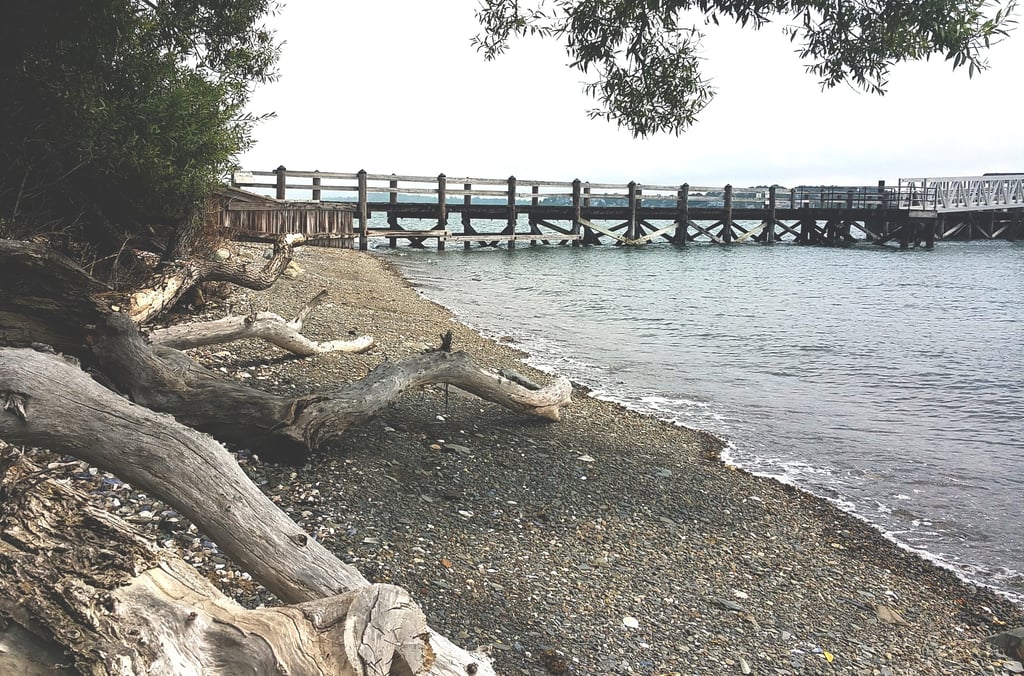
Seawall Inspection
Seawalls protect waterfront properties in Fort Lauderdale, FL from erosion, tides, and storm damage. But like any structure, they wear down over time. Homeowners often ask for signs to say your seawall needs repair in Fort Lauderdale, FL. Catching problems early prevents expensive damage and keeps your property safe.
From leaning walls to rust, water seepage, or structural damage, recognizing warning signs is crucial. In this guide, we'll explain common problems, inspection tips, and when to call professional seawall builders or a seawall contractor in Fort Lauderdale, FL. We'll also cover what to expect during seawall construction in Fort Lauderdale, Florida projects.
Signs Your Seawall Needs Repair Fort Lauderdale
Knowing the warning signs can save thousands in repairs. Here are the most common indicators:
1. Leaning Walls
One of the most obvious signs your seawall needs to repair is a wall that is tilting toward or away from the water. Leaning walls often indicate shifting soil or structural instability. Ignoring it can lead to a full collapse.
2. Erosion
If you notice sand, soil, or grass washing near your seawall, this is erosion. Even small areas of erosion can undermine the structure. Continuous erosion can destabilize the wall, causing cracks and eventual failure.
3. Water Seepage
Water seeping through cracks or at the base of the seawall is a serious problem. Seepage may appear as small puddles, damp areas, or discoloration. Persistent water flow weakens concrete and steel support.
4. Structural Damage
Cracks, holes, or broken sections are signs of structural damage. Look for horizontal, vertical, or stair-step cracks. Even small cracks can grow larger under pressure from tides or storms.
5. Rust
Rust on metal reinforcements or tiebacks indicates corrosion. Rust expands and can cause concrete to crack and fail. Seawall builders in FL, USA often recommend treating rust immediately to prevent further damage.
Why Seawalls Fail
Understanding why seawalls fail helps you recognize issues early. Common causes include:
Poor construction materials: Using substandard concrete or steel can shorten the wall’s lifespan.
Heavy storms and tides: Frequent storms accelerate wear and tear.
Shifting soil: Soil movement behind the wall can cause leaning walls or cracks.
Lack of maintenance: Even small issues, if ignored, can grow into big problems.
Professional seawall construction ensures that these factors are addressed from the start.
Inspecting Your Seawall
Regular inspections are essential. Here’s how to check your seawall for problems:
Visual Inspection
Walk along the entire wall. Look for cracks, rust, leaning, or erosion. Check both the water side and the property side. Don’t ignore small issues—they can escalate quickly.
Check for Seepage
Inspect for water leaking through the wall. Even minor seepages can indicate weakening material or improper drainage.
Monitor Soil Movement
Look for changes in the soil behind the wall. Leaning walls often accompany settling or shifting soil.
Examine Metal Supports
Look at tiebacks, anchors, and metal reinforcements. Rust or corrosion signals that the seawall is compromised.
Hire Professionals
If you notice any warning signs, contact seawall builders in Fort Lauderdale, FL or a seawall contractor. They can perform a detailed assessment and recommend repairs or replacements.
Common Seawall Repair Methods
Depending on the damage, there are several repair options:
1. Crack Repairs
Small cracks can often be patched using marine-grade sealants. Larger cracks may require concrete injection.
2. Steel Reinforcement Replacement
Rusted tiebacks or reinforcements should be replaced. This may require partial excavation and seawall construction by qualified professionals in Florida, USA, with appropriate expertise.
3. Wall Re-leveling
Leaning walls can sometimes be jacked back into place and stabilized with new support. This prevents total collapse.
4. Riprap or Armor Replacement
Adding rocks or rap can protect against further erosion. Some areas require new armor to absorb wave energy.
5. Full Replacement
In cases of severe erosion, structural damage, or extensive rust, a full seawall replacement may be the safest long-term solution.
Maintenance Tips to Extend Seawall Life
Even with professional repairs, regular maintenance is key:
Clean regularly: Remove debris, algae, and barnacles.
Inspect after storms: Look for new cracks, erosion, or leaning walls.
Monitor for seepage: Address any leaks quickly.
Apply protective coatings: Marine-grade sealants to prevent rust and water damage.
Schedule professional inspections: Experts can spot issues before they worsen.
Many homeowners in Fort Lauderdale rely on seawall builders in FL, USA to perform routine checks.
When to Call a Seawall Contractor
You should contact a professional immediately if you notice:
Walls leaning more than a few inches
Large cracks or crumbling concrete
Rusted reinforcements
Significant erosion behind the wall
Persistent water seepage
Professional seawall construction ensure repairs are done safely and according to Florida building codes.
Choosing the Right Seawall Builder in Fort Lauderdale
Finding the right contractor is critical. Look for:
Licensed and insured seawall builders Fort Lauderdale, FL
Experience in Fort Lauderdale and surrounding areas
Transparent pricing and written estimates
Positive reviews and references
Knowledge of local permits and environmental regulations
Professional contractors not only repair damage but also recommend preventive measures to extend your seawall life.
Cost Factors for Seawall Repairs
Repair costs vary based on:
Type and size of damage
Materials required (concrete, steel, riprap)
Labor and equipment
Location accessibility
Regular maintenance can reduce repair costs over time. Hiring experienced seawall builders in FL, USA ensures you get durable results.
Environmental Considerations
Seawalls affect coastal ecosystems. Repair and construction projects should:
Prevent sediment runoff
Avoid harming marine life
Use environmentally friendly materials
Follow Florida coastal regulations
Professional contractors integrate environmental best practices during seawall construction, FL, USA.
Conclusion
Recognizing signs that your seawall needs repair Fort Lauderdale early can save money and protect your property. Leaning walls, erosion, water seepage, rust, and structural damage all require attention. Hiring professional seawall builders in Fort Lauderdale, FL or a seawall contractor ensures your seawall is repaired safely and efficiently. Don’t wait—schedule an inspection today to safeguard your waterfront property.
Frequently Asked Questions
1. How do I know if my seawall is leaning too much?
Any noticeable tilt toward or away from the water signals instability. Measure changes over time and contact seawall builders in Fort Lauderdale, FL if it worsens.
2. What causes seawall erosion?
Erosion comes from waves, tides, heavy rain, and poor drainage. Small soil loss can weaken the wall, requiring professional repair.
3. Can minor cracks be repaired without full replacement?
Yes, small cracks can be sealed with marine-grade epoxy. Larger cracks or rusted reinforcements may need partial or full seawall construction in FL, USA.
4. How often should I inspect my seawall?
Visually check every few months and after storms. A professional inspection once a year catches hidden issues early.
5. Who should I hire for seawall repair in Fort Lauderdale?
Choose licensed seawall builders in FL, USA or a reputable seawall contractor with experience in Fort Lauderdale’s coastal conditions.
Search
Is your seawall secure?
Don't wait for a small problem to become a disaster. Get a professional evaluation.
© 2026 Seawall Fort Lauderdale. All rights reserved.

